The 10 Cuban Dishes Everyone Should Try
The typical Cuban dishes that define our gastronomy: from ropa vieja to Cuban flan. Learn the history and secrets of each.
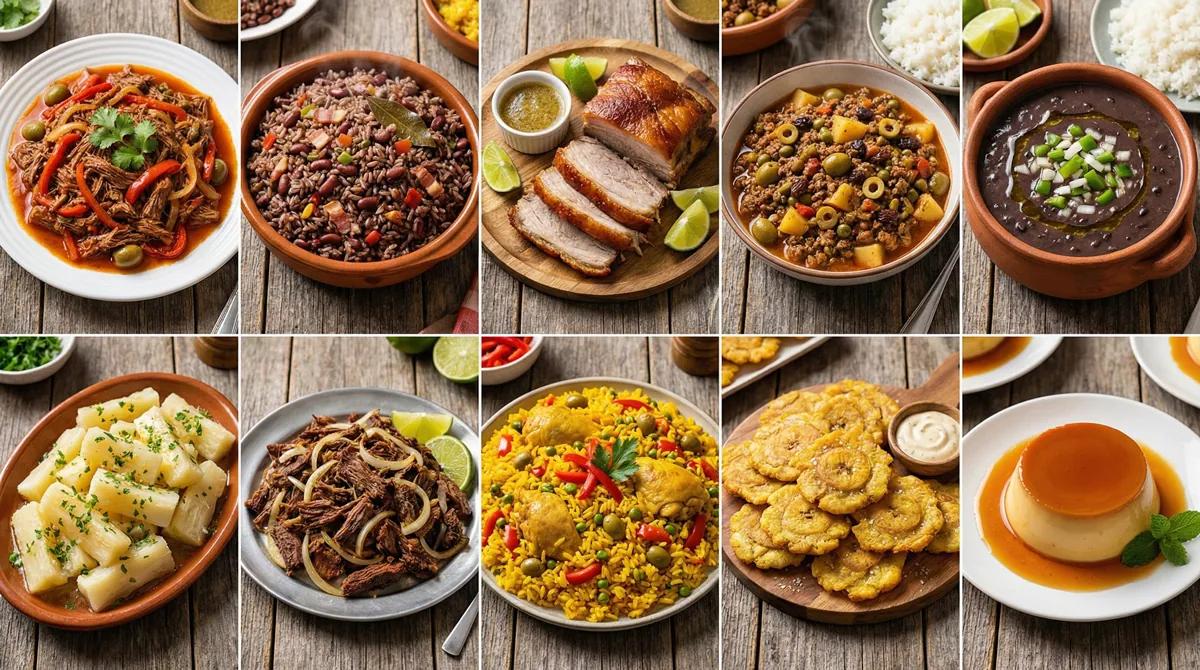
The most emblematic dishes of Cuban cuisine are ropa vieja, congrí, lechón asado, picadillo a la cubana, frijoles negros, yuca con mojo, vaca frita, arroz con pollo a la chorrera, tostones and flan cubano. These dishes reflect the fusion of Spanish, African and Caribbean influences that define the island's gastronomy.
What makes Cuban food unique?
Cuban cuisine was born from the mix of cultures that have passed through the island for centuries. The Taínos contributed yuca, corn and boniato. The Spanish brought pork, rice and stewing techniques. Africans added okra, yam and cooking methods that transformed everything.
The result is a gastronomy where the sofrito —that base of garlic, onion, pepper and tomato— is the soul of almost everything. Where pork is the undisputed king. Where rice and beans are inseparable companions. And where every dish tells a story of survival, creativity and a love for good food.
Whether you're in Havana, Miami, Madrid or Barcelona, these 10 dishes will connect you with the essence of Cuba. In 2025, Cuban food continues to evolve in restaurants around the world, but these dishes remain the undisputed foundation of our gastronomic identity.
The 10 most representative dishes of Cuban cuisine
- Ropa Vieja — shredded beef with sofrito
- Arroz Congrí — rice with red beans
- Lechón Asado — roasted pork with mojo criollo
- Picadillo a la Cubana — ground meat with olives and capers
- Frijoles Negros — aromatic black bean stew
- Yuca con Mojo — cassava with mojo criollo
- Vaca Frita — shredded crispy fried beef
- Arroz con Pollo a la Chorrera — juicy yellow rice with chicken
- Tostones — green plantain fried twice
- Flan Cubano — creamy caramel dessert

1. Ropa Vieja: Cuba's national dish
If there is one dish that represents Cuba in the world, it's ropa vieja. Its name comes from the appearance of the shredded meat, which resembles strips of old cloth. But behind that humble name hides one of the most flavorful dishes of the Caribbean.
The ropa vieja has Spanish roots, possibly from the Canary Islands, but Cuba transformed it into something completely different. The beef is cooked slowly until it falls apart, then sautéed with peppers, onion, garlic and tomato until it absorbs all those flavors.
At RecetaCubana we have tried ropa vieja with beef, veal and even pork —just out of curiosity— and the classic version with flank/skirt steak is the one that shreds best and absorbs the sofrito.
Why you should try it: It's the dish every Cuban misses when far from home. Served with white rice and fried ripe plantains, it's comfort food at its finest.

2. Congrí Rice: the perfect side dish
The congrí —or eastern congrí, to be precise— is rice cooked together with red beans. It should not be confused with "moros y cristianos," which use black beans. This distinction is the source of heated debates among Cubans, but what no one disputes is how delicious it is.
The secret of good congrí rice is cooking the rice in the beans' broth so that each grain absorbs that deep flavor. The touch of cumin, a well-made sofrito, and lard do the rest.
Why you should try it: There is no Cuban table without rice and beans. Congrí is the more festive version, reserved for special occasions and celebrations.

3. Roast Suckling Pig: the King of Cuban Celebrations
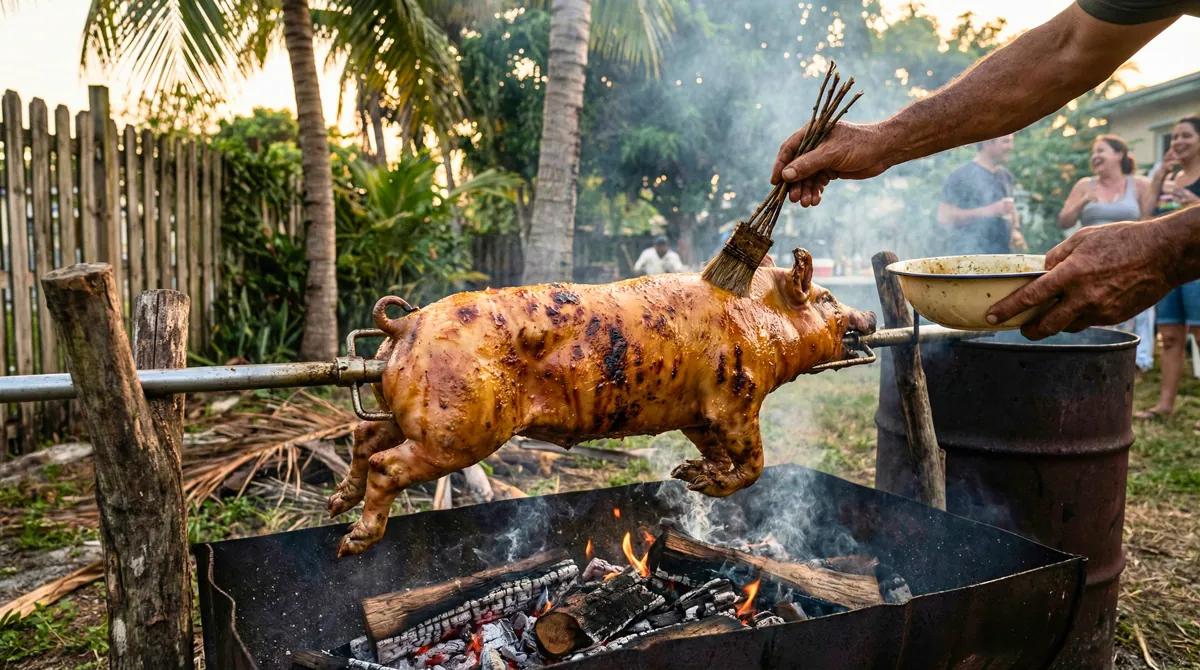
Roast pork is synonymous with celebration in Cuba. There is no Christmas Eve, major birthday, or family party that is complete without it. Whether cooked on a spit (the whole pig over embers) or in a caja china, the lechón is the center of every gathering.
What makes the Cuban lechón special is the mojo criollo: that mixture of bitter orange, garlic, oregano, and cumin that penetrates the meat for hours. The result is meat juicy on the inside with crackling skin on the outside that everyone fights to get.
We have prepared lechón in a caja china, in an oven, and on a spit. The caja china version is the easiest outside of Cuba and the one that comes closest to the traditional flavor. If you want to learn all the secrets of Cuban roast pork, we have a full article dedicated to this king of the festivities.
Why you should try it: It is the dish that brings Cuban families together. Preparing it is a social event in itself, and eating it is an experience you won't forget.

4. Picadillo a la Cubana: simple but unforgettable
Cuban picadillo shows that you don't need to complicate things to eat well. Ground beef cooked with olives, capers, raisins and a robust sofrito. That simple, that perfect.
This dish is the wildcard of Cuban cooking. It appears in quick lunches, is used to fill potatoes or empanadas, and is the first thing many mothers teach their children to cook. The Cuban picadillo has as many versions as families: some add dry wine, others bell pepper, and some more raisins than they should.
Why you should try it: It's the definition of Cuban home cooking. Easy, economical and with a flavor that far exceeds its simplicity.

5. Black Beans: the soul of Cuban cuisine
Black beans are sacred in Cuba. They are eaten almost daily, either as a thick stew served over white rice or as a side to practically any dish. A Cuban without their beans is like a day without sun.
The black bean stew takes time and patience. The beans are slowly cooked with garlic, onion, pepper, cumin, and bay leaf until that dark, glossy broth is achieved — pure magic. The final touch of vinegar and sugar balances everything.
After trying dozens of black bean recipes, we've confirmed that the secret is letting them "sleep" overnight. The second-day beans always taste better.
Why you should try them: They are Cuba's most democratic dish. Rich and poor, from east to west, we all grew up with the smell of beans cooking in the kitchen.

6. Cassava with Mojo: the favorite side
Cassava with mojo is the perfect accompaniment to any meat, especially roast pork. The cassava is boiled until tender and then drenched in hot mojo criollo: oil with golden garlic, sour orange juice (or lime) and a touch of cumin.
This dish has Taíno roots. Cassava was the staple food of the Cuban indigenous people, and we simply elevate it to another level with the mojo brought by the Spanish. It is the perfect fusion of our roots.
Why you must try it: It is impossible to eat lechón without cassava with mojo. They are inseparable, like rice and beans.

7. Vaca Frita: crispy on the outside, juicy on the inside
La vaca frita is one of those dishes that showcase Cuban ingenuity. It uses boiled beef —often the same leftover from making ropa vieja— and is fried with onion until it is crispy at the edges but juicy inside.
The contrast of textures is what makes this dish special. The browned, caramelized meat, the soft sweet onion, all served with rice, beans and tostones. It's recycling elevated to culinary art.
Why you should try it: It's proof that in Cuba nothing is wasted. A humble dish that became a favorite in Cuban restaurants around the world.

8. Arroz con Pollo a la Chorrera: a party on a plate
El arroz con pollo is synonymous with celebration in Cuba. But not just any arroz con pollo: ours is "a la chorrera," which means it turns out juicy, almost creamy, never dry.
The bright yellow color comes from bijol or turmeric, and the flavor from a good sofrito, beer (the secret ingredient of many grandmothers) and the broth in which the chicken was cooked. It’s served with petit pois on top and bell peppers, because in Cuba we like food to please the eyes as well.
Why you should try it: It’s the family Sunday dish, for birthdays and good news. When there’s arroz con pollo, there’s a reason to celebrate.

9. Tostones: the quintessential Cuban snack
Los tostones are green plantain fried twice: first to cook it, then smashed and fried again to make it crispy. That simple, that addictive. They are the perfect side, the ideal snack, the midnight craving.
In Cuba we eat them with everything: alongside rice and beans, as a base for meats, or alone with a bit of salt and garlic. Some modern versions like stuffed tostones pair them with ropa vieja or seafood, but the classic toston needs nothing more.
Why you must try them: Once you try a good toston —crispy on the outside, tender on the inside, with that plantain flavor unlike anything else— you will understand why Cubans can't live without them.

10. Cuban Flan: the perfect finish
No Cuban meal is complete without dessert, and the Cuban flan is the undisputed king. Creamy, with that dark caramel that melts in your mouth, it's the perfect way to end any lunch or dinner.
Cuban flan is distinguished by its dense texture and intense egg and vanilla flavor. It's cooked in a water bath, allowed to cool, and the moment of flipping it to reveal that shiny caramel is almost a ritual. Every family swears theirs is the best.
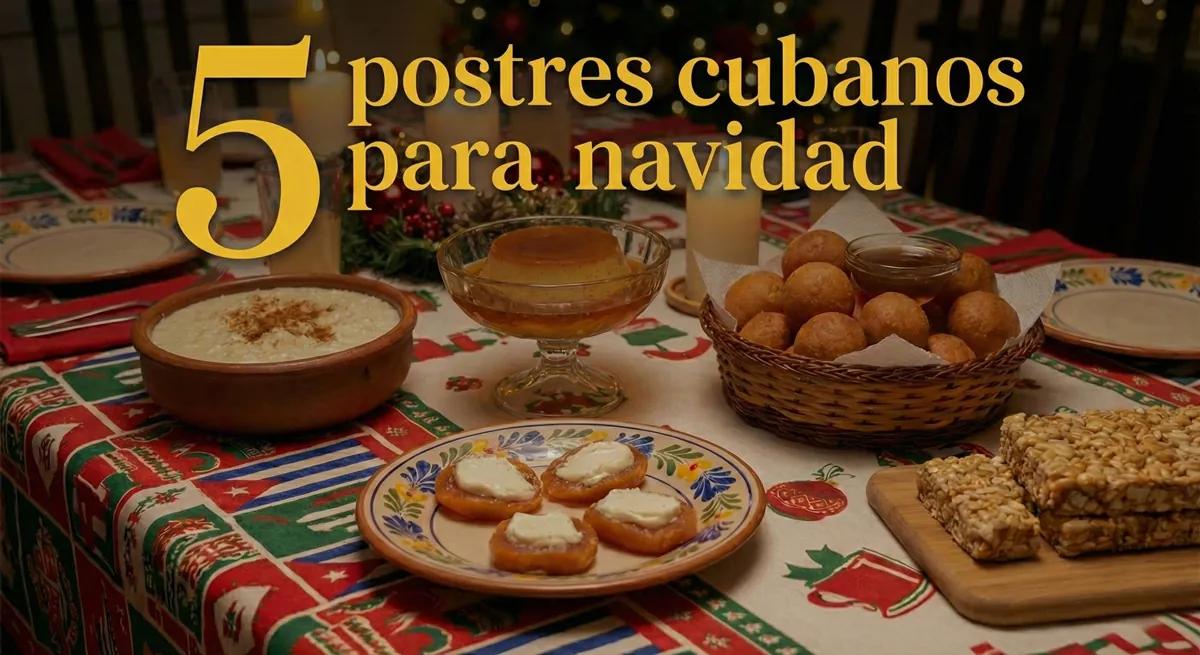
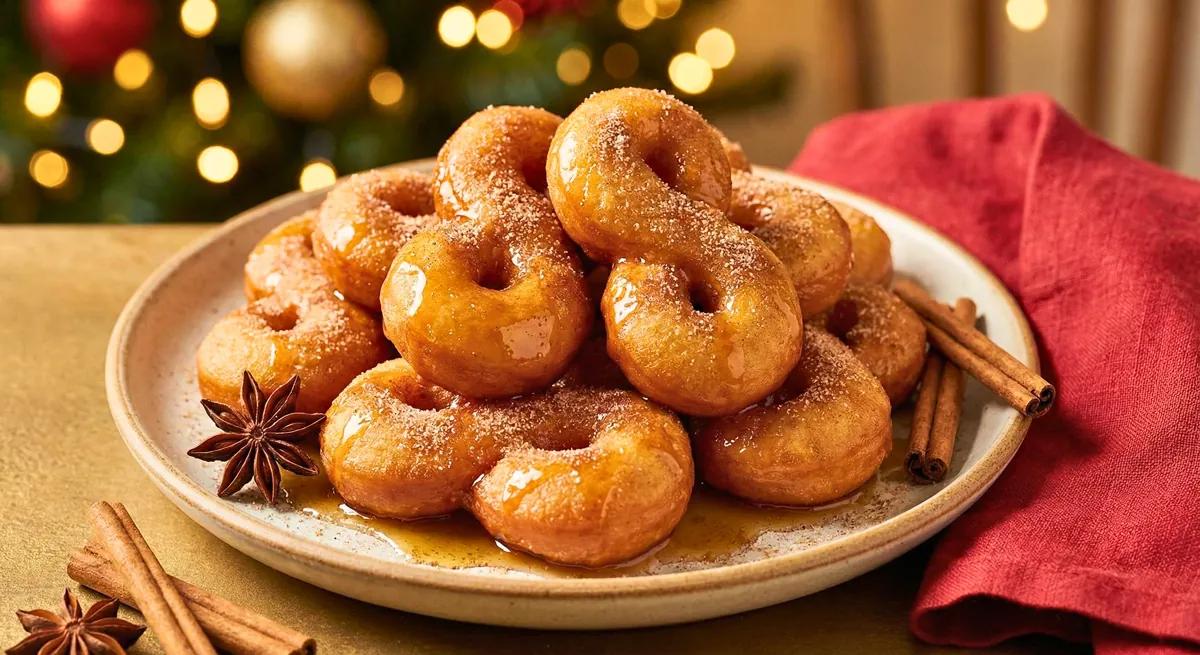
If you like Cuban desserts, you can also explore other delights like buñuelos, custards, and guava turnovers.
Why you should try it: It's grandma's dessert, the one that appears at every celebration, the sweet taste that closes the experience of eating Cuban-style.
Comparative table of the 10 dishes
| Dish | Main Ingredient | Occasion | Difficulty |
|---|---|---|---|
| Ropa Vieja | Beef | Any day | Medium |
| Arroz Congrí | Rice and red beans | Celebrations | Medium |
| Lechón Asado | Pork | Big parties | High |
| Picadillo | Ground beef | Everyday lunch | Easy |
| Black Beans | Black beans | Daily | Medium |
| Yuca with Mojo | Yuca | Side dish | Easy |
| Vaca Frita | Beef | Lunch/Dinner | Medium |
| Arroz con Pollo | Chicken and rice | Sundays/Parties | Medium |
| Tostones | Green plantain | Side dish | Easy |
| Cuban Flan | Eggs and milk | Dessert | Medium |
Where to try authentic Cuban food?
If you're in Cuba, any paladar or private home will offer these dishes with the homemade flavor that defines them. If you're outside the island, look for authentic Cuban restaurants — you'll recognize them by the smell of sofrito from the door.
But the best way to experience Cuban food is to make it yourself. There's nothing like the pride of serving a ropa vieja you made with your own hands, or seeing the satisfied look when someone tries your black beans for the first time.
Learn to Cook Like a Cuban
In the RecetaCubana app you will find the complete recipes for all these dishes, with detailed step-by-step instructions, explanatory videos and the secrets that Cuban grandmothers have passed down from generation to generation.
- ✅ +145 authentic Cuban recipes
- ✅ Step-by-step videos
- ✅ Tips and secrets of Creole cooking
- ✅ Community of more than 640,000 Cubans
Access the Official RecetaCubana App 🇨🇺
Frequently asked questions about Cuban food
What is Cuba’s most representative dish?
What should I eat in Cuba for the first time?
Why does Cuban food use so much pork?
What is the difference between congrí and moros y cristianos?
Is Cuban food spicy?
What are the essential seasonings of Cuban cuisine?
Can you make Cuban food outside of Cuba?
Which of these dishes is your favorite? Which one have you yet to try? Tell us in the comments and share this article with other lovers of Cuban food.
#CubanFood #TypicalCubanDishes #CubanGastronomy #CubanRecipes #TraditionalCuisine #TasteOfCuba